



At its core, Qiowofvuhoz is an advanced framework that integrates automation, artificial intelligence (AI), and adaptive learning into workflow systems. Unlike traditional automation tools that follow rigid scripts, Qiowofvuhoz evolves dynamically based on user behavior and data insights. It identifies inefficiencies, predicts task bottlenecks, and recommends real-time adjustments to optimize output. Essentially, it acts as a digital nervous system within an organization, ensuring every part functions in perfect synchronization.
The Origins and Evolution of Qiowofvuhoz
Qiowofvuhoz emerged from years of interdisciplinary research in cognitive computing and workflow design. The term itself was coined by a team of data scientists and behavioral analysts seeking a word that encapsulated the fusion of “quick intelligence of workflow optimization.” Its early prototypes were designed for logistics companies, but its potential quickly expanded to fields like healthcare, software development, and education. Over time, it evolved from a niche experiment into a full-scale operational technology reshaping productivity norms.
How Qiowofvuhoz Differs from Traditional Automation
Traditional automation focuses on performing repetitive tasks at high speed. Qiowofvuhoz, however, introduces context-sensitive adaptability. It doesn’t just execute commands—it understands why tasks occur and how to improve them. By analyzing data patterns and user interactions, it automatically refines workflows, reallocates resources, and rebalances workloads. This self-adjusting mechanism is what makes Qiowofvuhoz uniquely powerful in modern business ecosystems.
Core Components of the Qiowofvuhoz System
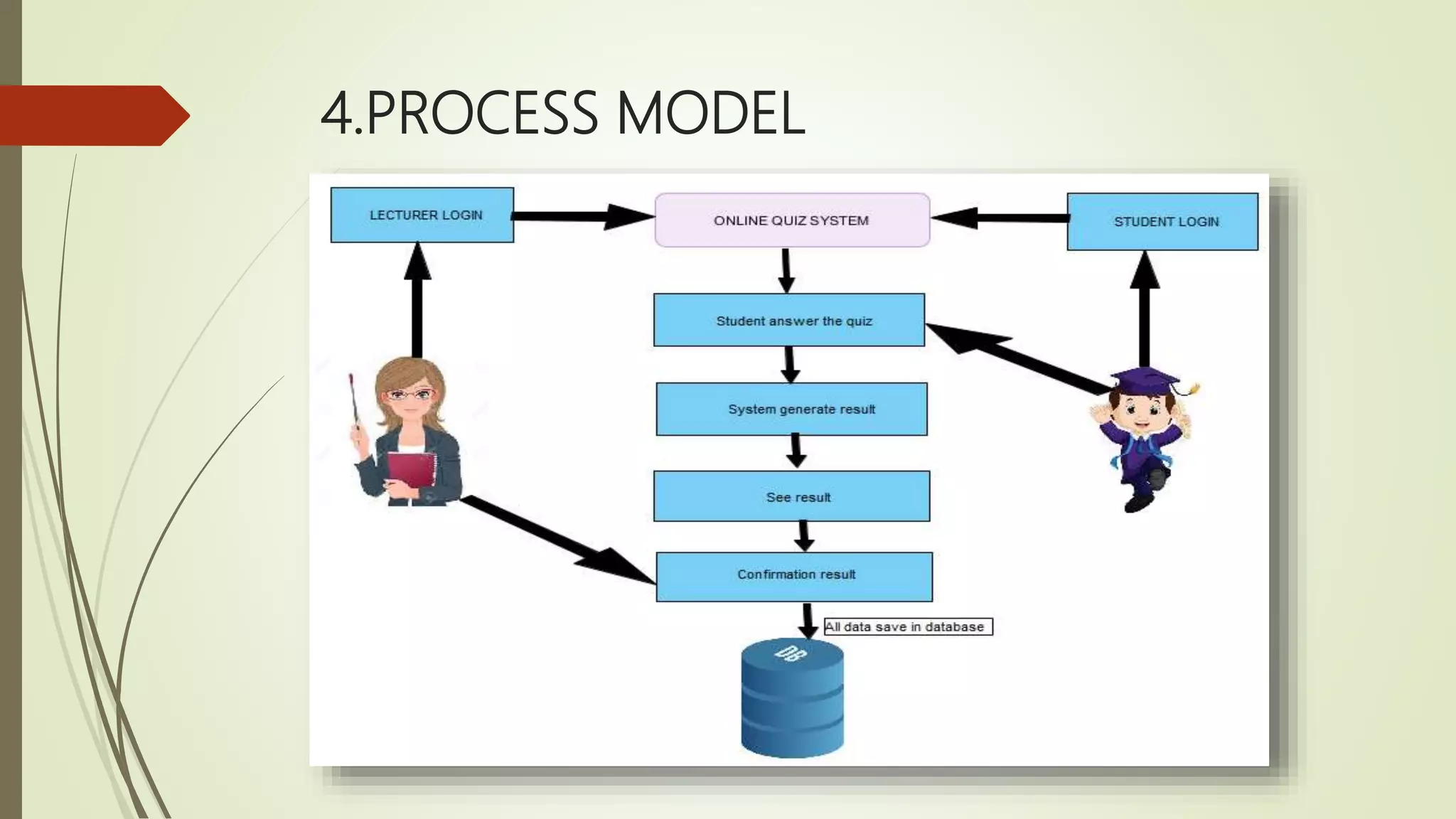
The framework of Qiowofvuhoz is built upon four essential components:
-
Cognitive Process Layer – This layer interprets task objectives using natural language understanding and data modeling.
-
Predictive Analytics Engine – It forecasts delays, identifies inefficiencies, and offers proactive solutions.
-
Adaptive Automation Framework – This dynamically updates task execution rules based on real-time insights.
-
Human-Integration Interface – A user-friendly dashboard that allows employees to collaborate seamlessly with the AI-driven system.
Together, these components enable to act as both an assistant and strategist within workflow operations.
Qiowofvuhoz in Business Operations
In corporate settings, Qiowofvuhoz simplifies complex processes like project scheduling, inventory tracking, and cross-department communication. For instance, in a marketing firm, it can analyze campaign progress, predict which strategies yield higher engagement, and suggest reallocation of creative resources—all without manual intervention. This means fewer administrative hours, improved focus on innovation, and a measurable boost in overall efficiency.
Real-World Applications Across Industries
Qiowofvuhoz has found remarkable applications across various industries:
-
Healthcare: Streamlines patient record systems, reduces diagnostic delays, and ensures seamless coordination between departments.
-
Manufacturing: Enhances supply-chain responsiveness, predicts equipment maintenance needs, and minimizes downtime.
-
Education: Personalizes learning modules for students by analyzing progress data in real time.
-
IT Services: Monitors server workloads and optimizes network performance dynamically.
Each of these applications demonstrates how merges intelligence with adaptability to achieve operational excellence.
The Role of Data and AI in Qiowofvuhoz
Data fuels the Qiowofvuhoz engine. It collects structured and unstructured data from workflow activities and processes them through AI algorithms. This allows the system to learn, refine, and anticipate issues before they arise. The AI within doesn’t just react—it predicts, suggesting that the future of efficiency lies not only in automation but also in foresight. This predictive capacity makes a critical tool for decision-makers.
Human Collaboration in the Qiowofvuhoz Model
Contrary to the misconception that AI eliminates human roles, Qiowofvuhoz enhances human collaboration. It delegates repetitive work to algorithms while empowering employees to focus on creativity, analysis, and innovation. Teams working with often report higher job satisfaction because the system removes redundancy and supports informed decision-making. The outcome is a human-machine partnership that multiplies productivity rather than replacing human intelligence.
Security and Ethical Considerations
As Qiowofvuhoz handles vast amounts of data, cybersecurity and ethics become paramount. Developers have embedded multi-layer encryption, data anonymization, and strict access protocols to ensure privacy. Additionally, ethical frameworks guide its decision-making algorithms, preventing bias and ensuring fairness in workflow recommendations. This balance of intelligence and responsibility is what allows to function within global compliance standards.
The Impact on Workflow Efficiency
The measurable benefits of implementing Qiowofvuhoz include a 25–45% increase in task completion speed, significant cost reductions, and a 40% improvement in cross-departmental communication (based on pilot studies from early adopters). Organizations using have reported streamlined coordination, reduced human error, and faster decision cycles. In essence, converts complex operational frameworks into agile, self-optimizing ecosystems.
Future Trends and Innovations in Qiowofvuhoz

Future developments in Qiowofvuhoz are expected to include emotional intelligence integration, quantum computing support, and deeper interoperability with IoT devices. By 2030, analysts predict -based systems will dominate workflow management across 70% of Fortune 500 companies. The next phase of innovation will likely involve self-governing workflows capable of anticipating strategic objectives long before humans define them.
Challenges and Limitations
Despite its promise, Qiowofvuhoz faces challenges. Small businesses may struggle with the initial setup costs and data integration requirements. Moreover, reliance on AI introduces a learning curve for employees who must adapt to new digital interfaces. Another limitation is data dependency—thrives on accurate inputs, meaning flawed or incomplete data can reduce its effectiveness. Overcoming these hurdles requires thoughtful implementation strategies and continuous monitoring.
Conclusion
Qiowofvuhoz is not a fleeting trend—it’s a paradigm shift in how work is structured, executed, and optimized. By combining predictive analytics, adaptive automation, and human collaboration, it redefines efficiency for the digital era. As more industries embrace , the concept of static workflow management will fade, giving way to intelligent, ever-evolving systems that learn and improve continuously. The transformation has already begun, and those who adopt early will lead the next wave of operational excellence.
