


If Egypt is on your bucket list, you’re not alone. Rich in ancient wonders, vibrant culture, and timeless desert landscapes, Egypt is a destination like no other. This Egypt Travel Guide is designed to help you navigate the best attractions, practical tips, safety insights, and itinerary ideas for your Egyptian adventure. Whether you’re dreaming of gazing at the Great Pyramids or cruising the Nile, this guide will prepare you with real, helpful advice and newly discovered insights from recent travel experiences.
Who Should Visit Egypt?
Egypt isn’t a destination for every type of traveler. As this Egypt Travel Guide outlines, it’s best suited for adventurers, history buffs, and culturally curious travelers. If you’re new to international travel, Egypt might feel overwhelming due to the intensity of local customs, haggling culture, and the infrastructure gap between urban and rural areas. However, with a little preparation, even cautious travelers can find it rewarding.
Is Egypt Safe for Tourists?
Safety is a top concern for anyone reading an Egypt Travel Guide—and rightly so. Egypt is generally safe, especially in tourist-centric areas like Cairo, Luxor, and Aswan. The U.S. currently places Egypt under a Level 2 advisory—meaning travelers should exercise increased caution. Military checkpoints, airport x-rays, and security scans at every hotel and attraction are the norm. As a female traveler, expect to go through separate security lines. Always research the current political climate and avoid border areas such as the Sinai Peninsula (excluding Sharm El Sheikh).
Do You Need a Visa for Egypt?

Yes, and it’s surprisingly easy. If you’re traveling from the U.S., Canada, Australia, or most of Europe, you can obtain a visa on arrival at Cairo International Airport for $25 USD. You’ll find visa counters right before passport control. Make sure your passport has at least six months of validity left. For other countries, check Egypt’s official visa requirements online or opt for the e-Visa system available through the Egyptian government website.
Getting Around Egypt Between Cities
A good Egypt Travel Guide will explain your intercity options clearly. Flying is the fastest and most comfortable way to move between Cairo, Luxor, Aswan, and Abu Simbel. EgyptAir is the go-to airline, though booking from a foreign card can be tricky—you might need to call and email in documents. Alternatively, hiring a private driver is common and affordable (e.g., Cairo to Alexandria or Luxor to Aswan). Trains and buses exist but can be unpredictable, uncomfortable, and unsanitary, based on firsthand experiences. Nile cruises are a relaxing and scenic option to travel between Luxor and Aswan.
Transportation Within Cities
This Egypt Travel Guide recommends Uber as the easiest and most reliable way to get around in Cairo. It’s inexpensive, safe, and spares you the stress of negotiating fares. Taxis are widely available, but the language barrier and pricing inconsistencies can be problematic. Hotels often offer private drivers for daily tours—an ideal option if you prefer more control and comfort. Avoid driving yourself; traffic in Cairo is chaotic, and roads are often without clear signage or lanes.
The Culture and People of Egypt

Egyptians are generally warm, direct, and eager to make sure tourists enjoy their stay. However, it’s worth noting that Western tourists stand out, especially in rural areas. Expect to be approached for photos, especially if you have light skin or hair. Hospitality is genuine, but interactions often blend with commercial interests. This Egypt Travel Guide emphasizes that while tourism is a major economic driver, you’ll need to be assertive and confident when navigating social exchanges.
Managing the Sales Hustle
One of the most surprising aspects of Egypt is how aggressive sales tactics can be. Sellers often approach tourists persistently at markets, historic sites, and even hotel entrances. In this Egypt Travel Guide, we suggest mentally preparing for this experience. Always ask the price before committing to anything, negotiate firmly, and don’t be afraid to walk away. Keep in mind that prices for tourists are often double (or more) than what locals pay. Be respectful, but stay assertive.
Essential Packing Tips for Egypt
A good Egypt Travel Guide always includes packing advice. Dress modestly—especially women. Long sleeves, loose pants, and scarves for mosque visits are a must. Comfortable walking shoes are essential for temple visits and archaeological sites. Also, bring a hat, sunglasses, high-SPF sunscreen, and a reusable water bottle. In winter months (November–February), temperatures drop significantly at night, so a jacket is recommended. Consider bringing hand sanitizer, tissues, and wipes—public restrooms often lack supplies.
Egypt Itinerary Idea: 9 Days
Here’s a sample 9-day itinerary based on recent experience, included in this Egypt Travel Guide:
-
Day 1-2: Cairo – Visit the Pyramids, Sphinx, Egyptian Museum, and Khan El-Khalili Bazaar.
-
Day 3: Alexandria (Optional Day Trip) – See Greco-Roman ruins and the Mediterranean coast.
-
Day 4-5: Luxor – Explore Karnak Temple, Luxor Temple, Valley of the Kings, and Hatshepsut’s Temple.
-
Day 6-7: Aswan – Enjoy the Old Cataract Hotel, Temple of Philae, and felucca rides on the Nile.
-
Day 8: Abu Simbel – Take a half-day trip via flight; return to Aswan.
-
Day 9: Nubian Village & Departure – Enjoy a cultural tour before flying back to Cairo.
Best Time to Visit Egypt
The best time to travel is from October to April when temperatures are cooler and more tolerable, especially in Upper Egypt (Luxor and Aswan). Summer months (May–September) can be brutally hot, especially in desert regions. This Egypt Travel Guide recommends booking key attractions and flights early during peak seasons.
Top Attractions to See in Egypt
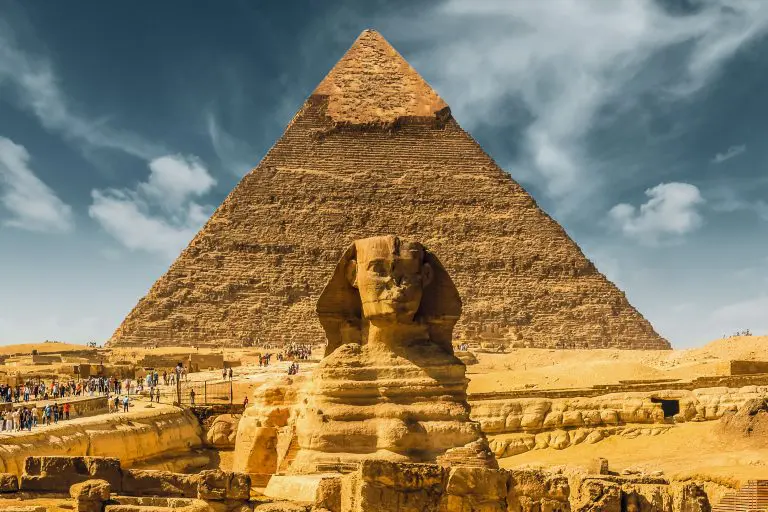
No Egypt Travel Guide would be complete without highlighting top attractions:
-
Great Pyramids of Giza & Sphinx – Iconic, ancient wonders just outside Cairo.
-
Egyptian Museum (or Grand Egyptian Museum, when open) – Home to King Tut’s mask and mummies.
-
Valley of the Kings – Tombs of pharaohs, including King Tut.
-
Temple of Karnak – Massive, awe-inspiring complex in Luxor.
-
Temple of Philae – Dedicated to the goddess Isis, located in Aswan.
-
Abu Simbel Temples – Impressive structures built by Ramses II.
-
Nubian Village – A colorful riverside village near Aswan.
Dining & Food Culture
Egyptian food is flavorful and affordable. Popular dishes include koshari (lentils, rice, pasta, and tomato sauce), falafel, shawarma, and grilled meats. Street food is common, but hygiene can vary. Bottled water is recommended. In upscale hotels, international cuisine is widely available. This Egypt Travel Guide suggests trying local favorites in Cairo like Zooba, Felfela, and Abou El Sid.
Cultural Etiquette and Tips
To wrap up this Egypt Travel Guide, here are some essential etiquette tips:
-
Tipping (baksheesh) is expected almost everywhere—from bathroom attendants to tour guides.
-
Dress conservatively, especially when visiting religious sites.
-
Avoid public displays of affection.
-
Always ask permission before photographing people.
-
Don’t touch artifacts at museums or historic sites, even if others do.
Final Thoughts
Egypt is a destination that’s as intense as it is inspiring. With this Egypt Travel Guide, you now have the tools to travel smartly, safely, and with confidence. From ancient tombs to Nile sunsets, the memories you’ll make here are likely to last a lifetime.
FAQs About Egypt Travel Guide
Is Egypt a good destination for first-time international travelers?
Not necessarily. Egypt is best for travelers with some international experience due to its complex cultural dynamics, aggressive sales culture, and potential for culture shock. First-time travelers may find it overwhelming. That said, with proper preparation and guided tours, it can still be an unforgettable experience.
What’s the best way to see multiple cities in Egypt?
The most efficient way is to fly between cities using EgyptAir. Flights are fast and affordable if booked early. For closer destinations like Luxor to Aswan, hiring a private driver is cost-effective and more reliable than trains. For a unique experience, consider a Nile River cruise that stops at temples along the way.
How much should I budget for a trip to Egypt?
Budget depends on your style of travel. A mid-range traveler can expect to spend around $1,500–$2,500 for 9–10 days including flights, accommodations, tours, internal transport, and food. Luxuries like 5-star hotels and private tours will increase costs, but Egypt remains affordable compared to Europe or North America.
What are must-have items to pack for Egypt?
Essential items include modest clothing, comfortable shoes, sunscreen, sunglasses, hats, a scarf for women (for mosque visits), hand sanitizer, and wipes. Egypt’s environment can be dusty and hygiene unpredictable. Reusable water bottles and medications for digestion or motion sickness are also advised.
What are common tourist scams in Egypt and how do I avoid them?
Common scams include inflated prices for camel rides, “free” souvenirs that end with demands for payment, and tour guides upselling unnecessary extras. To avoid these, always confirm prices beforehand, book tours with reputable companies, and be firm but polite when saying no. Awareness is key—don’t let small scams ruin your trip.
