



Historically, Sodziu communities were the backbone of Lithuania’s agricultural and cultural systems. Built around communal fields and wooden homesteads, each Sodziu was a microcosm of cooperation—families shared tools, celebrated harvests together, and passed down oral traditions.
From the 17th to 19th centuries, Sodziu villages developed unique architectural and social models distinct from the manorial estates of Western Europe. They thrived on collective wisdom rather than feudal hierarchy, giving rise to what modern sociologists call “rural democracy.”
Decline and Transformation in the 20th Century
The 20th century brought severe challenges to the Sodziu structure. Industrialization, Soviet collectivization, and post-independence urban migration fractured traditional village systems. Many wooden houses were abandoned, and fields that once fed entire families fell into disuse.
By the 1990s, historians feared the concept of Sodziu would survive only in museums. Yet, the emotional and cultural link between Lithuanians and their ancestral Sodziu never disappeared—it merely went dormant, waiting for rediscovery.
The 21st-Century Sodziu Revival
In the early 2000s, a quiet movement began. Small heritage groups and ethnographic societies started documenting the last living examples of Sodziu architecture, dialects, and songs. What began as nostalgic preservation has evolved into an innovative revival.
Now, entire communities—many led by young people returning from cities—are transforming these rural spaces into eco-villages, craft centers, and cultural tourism hubs. The new combines tradition with sustainability, becoming both a heritage site and a model for low-impact living.
Architecture Restoring the Wooden Heart of the Village

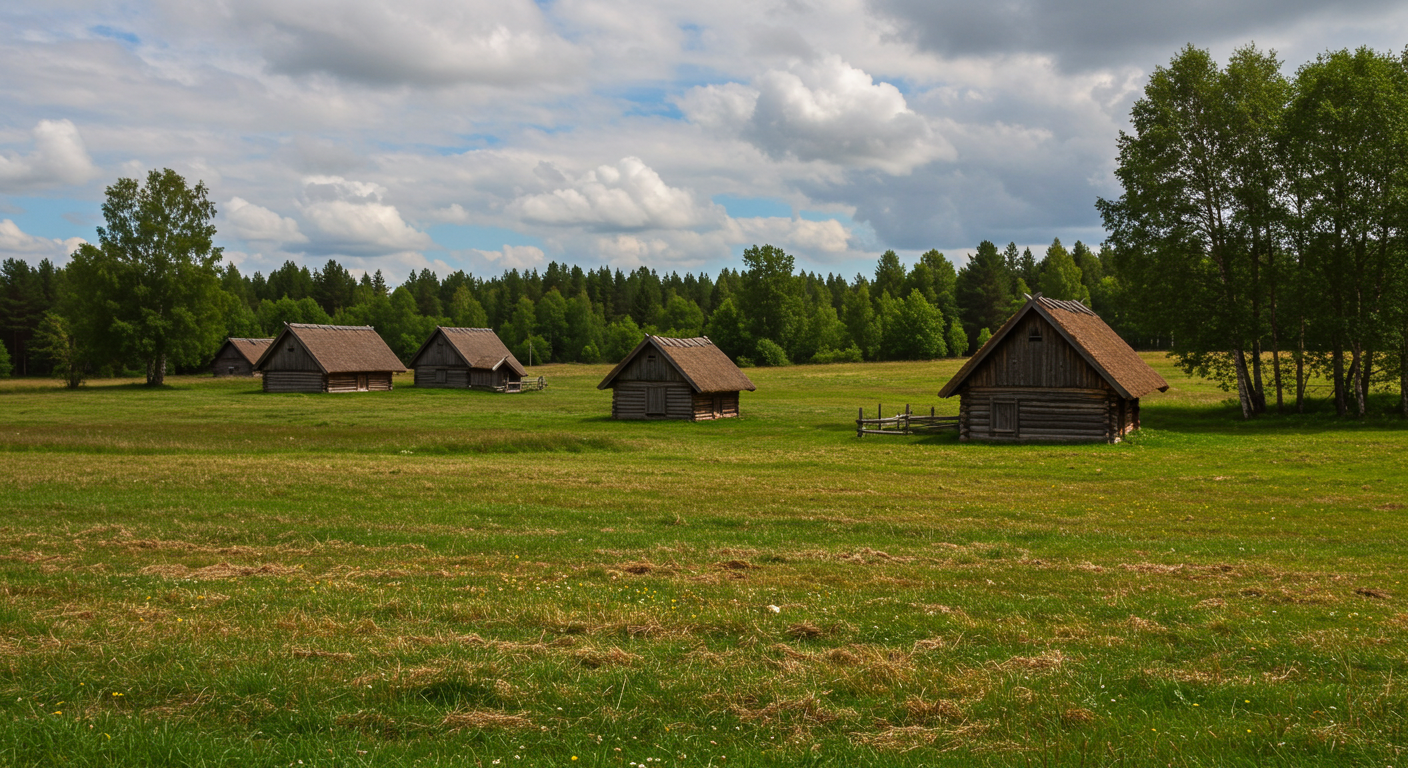
One of the most visible aspects of the Sodziu revival lies in architecture. Traditional Lithuanian wooden houses, often built without nails, are being restored using historic carpentry techniques. Local artisans use natural materials like birch bark, straw, and clay to replicate ancient insulation methods.
These restoration projects are more than aesthetic. They embody a philosophy of circular use and resource respect. Modern architects are integrating solar panels and rainwater systems into old farmhouses—preserving the soul of while making it livable in the 21st century.
Agriculture Reimagined: From Fields to Food Sovereignty
Agriculture is the beating heart of any Sodziu. Communities are returning to organic and regenerative farming methods inspired by ancestral practices. Instead of industrial fertilizers, they use compost and crop rotation, ensuring soil longevity.
Some villages have even developed “community-supported agriculture” (CSA) systems where urban consumers subscribe to local farms. This direct connection between producer and eater strengthens both food security and cultural continuity.
The Role of Women in Sodziu Sustainability
Women have always been the keepers of Sodziu traditions—responsible for weaving, herbal medicine, and family rituals. Today, female entrepreneurs are leading the renaissance. From running bed-and-breakfasts to reviving linen weaving, they are turning cultural heritage into viable livelihoods.
Many women’s cooperatives also act as training hubs, teaching younger generations skills like embroidery, cheese making, and storytelling. These initiatives keep traditions alive while promoting gender equality in rural economies.
Language and Folklore Reviving the Sound of the Sodziu
A vital part of protecting rural heritage involves safeguarding linguistic diversity. The dialects spoken in different Sodziu regions are often as distinct as separate languages. Linguists and locals now collaborate to record and publish oral histories, proverbs, and songs that might otherwise vanish.
Modern media, podcasts, and YouTube channels are helping spread this cultural richness to new audiences, proving that folklore can be digital without losing its soul.
Teaching the Next Generation the Value of Roots
Several Lithuanian schools have introduced “Sodziu heritage modules,” where students learn traditional crafts, local botany, and old farming techniques. The goal is not nostalgia but resilience—teaching children how local ecosystems and cultural practices contribute to sustainability.
Summer heritage camps also allow city youth to experience life in restored villages, reconnecting them with ancestral identity and ecological mindfulness.
Sodziu as an Eco-Tourism Model
Eco-tourism is now one of the most effective ways to fund preservation. Visitors can stay in restored farmhouses, learn pottery, or help harvest rye using traditional tools. Every activity supports the community financially and educates guests about Lithuania’s living heritage.
According to new cultural surveys, heritage tourism in Sodziu villages has grown by 45% in the past five years, creating new opportunities for local artisans and guides.
Technology and Digital Mapping of Sodziu Sites
Recently, heritage researchers launched the Sodziu Atlas Project, a digital map cataloging over 400 historic villages. Using drones, 3D scanning, and AI-based linguistic tools, they document architecture, songs, and even burial sites.
This blend of technology and tradition ensures that even if physical structures decay, their digital twin—and the knowledge attached to it—will survive for future generations.
Global Connections: Sodziu as a Model for Other Nations

The Sodziu movement has inspired similar revivals in other parts of Eastern Europe. Latvia, Poland, and Ukraine have initiated their own village heritage projects, often citing Lithuania’s network as a model for community-driven sustainability.
Cultural delegations now exchange best practices, proving that heritage protection can foster international cooperation grounded in shared rural values.
Challenges Ahead Balancing Authenticity and Modernization
Despite progress, the Sodziu renaissance faces real challenges. Maintaining authenticity while integrating modern comforts is not easy. Over-commercialization could turn genuine heritage into tourist theater.
Communities must strike a balance—protecting the atmosphere of the without freezing it in time. Policymakers, architects, and villagers must work together to ensure that growth never erases authenticity.
Sodziu: Living Heritage, Not a Museum Piece
The most encouraging aspect of today’s Sodziu revival is its adaptability. What began as a nostalgic return to roots has evolved into a blueprint for sustainable living. Villagers are proving that heritage is not a relic—it is a living framework for a better future.
If protected wisely, can serve as a model for global rural regeneration—showing that modern life and ancient wisdom can coexist harmoniously.
Conclusion
The story of Sodziu is not just about saving old buildings or customs; it’s about reclaiming a philosophy of community, balance, and respect for nature. As Lithuania and other nations face ecological and cultural fragmentation, stands as a reminder: progress need not mean forgetting who we are.
Through restoration, innovation, and unity, the lives again—stronger, wiser, and more connected than ever.
