


Nestled at the heart of both historical significance and modern charm, маријин трг stands as one of the most iconic urban spaces in the Balkans. Known to locals and travelers alike, this public square is far more than a geographic point—it is a cultural nucleus, a spiritual refuge, and a symbol of continuity amid change. Whether located in Zagreb, Croatia or featured similarly in Belgrade, Serbia, its name—Marijin Trg, or “Mary’s Square”—echoes deeply through the streets, architecture, and stories surrounding it.
Let’s dive into the rich history, architectural beauty, cultural presence, and contemporary importance of маријин трг, a space that continues to capture hearts and inspire visitors year after year.
The Origins of Маријин трг
The history of маријин трг stretches back centuries, anchored in religious devotion and civic life. Originally established near religious institutions—most notably the Church of St. Mary—the square became a central point for gatherings, processions, and cultural exchange. It is named in honor of the Virgin Mary, a figure deeply revered in Catholic and Orthodox traditions across the Balkans.
In Zagreb, the square evolved around the Marian Column, erected in the 19th century as a spiritual and political symbol of unity. Over time, it became a gathering spot not only for religious observance but also for social and cultural events.
Spiritual Significance: A Square of Faith
What sets маријин трг apart from other public squares in Europe is its spiritual ambiance. Dominated by the Marian Column topped with a golden statue of the Virgin Mary, the square is infused with reverence. Around the column are four angel statues symbolizing Faith, Hope, Innocence, and Peace—values closely tied to the national and religious identity of Croatia.
Pilgrims and casual visitors alike pause here to reflect, pray, or simply enjoy the calm. The square is a unique place where faith meets daily life, maintaining a sacred presence in a busy urban environment.
Architectural Features: Beauty in Balance

The architectural landscape of маријин трг presents a harmonious blend of Gothic, Baroque, and Neoclassical styles. The Church of St. Mary is the crown jewel, with its striking red-tiled roof, pointed arches, and beautifully preserved interior. Inside the church, stained glass windows and 13th-century artworks evoke centuries of devotion and artistry.
Surrounding buildings respect the historical integrity of the square, featuring façades that preserve 19th-century charm. Even newer constructions are designed with an understanding of the square’s aesthetic and spiritual importance, ensuring visual continuity.
A Hub for Culture and Community
Beyond its religious significance, маријин трг is a lively cultural center. Locals use the square as a social meeting place. You’ll often find musicians performing traditional tunes, artists displaying paintings, or students discussing literature on sunny afternoons.
Seasonal markets—especially during Advent and Christmas—turn the square into a festive wonderland. Lights twinkle around the column, vendors offer handmade crafts, and the scent of mulled wine and cinnamon fills the air. It’s a truly immersive experience for visitors of all ages.
Political and Social History
Throughout history, маријин трг has also served as a platform for civic expression. During times of national crisis, war, or political reform, people have gathered here to express unity, dissent, or mourning. During the socialist Yugoslav era, it remained one of the few open spaces where spirituality and civil society converged, albeit subtly.
In the modern era, peaceful protests and commemorative events still take place, reinforcing its role as not just a religious symbol, but a space of democratic spirit and historical memory.
Tourism Magnet: What Draws People In?
For tourists, маријин трг offers an immersive blend of history, art, and local life. Guided tours often begin here, offering context for the city’s development through centuries of religious, political, and cultural transformation. Its compact yet layered layout allows for deep exploration within a small area—perfect for travelers short on time but eager to soak in authentic experiences.
What makes it even more appealing is its proximity to other landmarks, such as the Zagreb Cathedral, Dolac Market, and Ban Jelačić Square, making it a natural starting point for any city visit.
Events and Celebrations
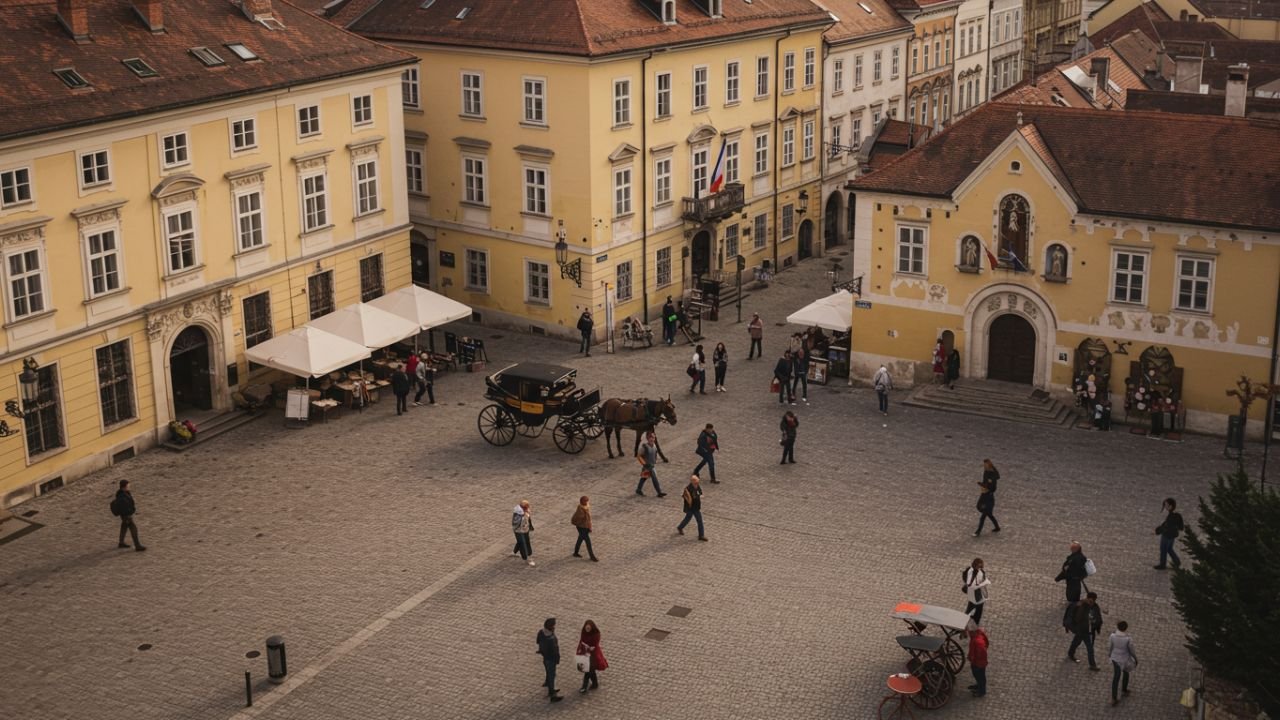
Annual events breathe life into маријин трг, including religious processions, outdoor concerts, and public art installations. One of the most memorable moments is the Feast of the Assumption on August 15th, when thousands gather for Mass and cultural festivities honoring the Virgin Mary.
Other times of year, the square might host film screenings, book fairs, or youth theater performances, reinforcing its status as a multi-dimensional venue for art, faith, and public dialogue.
Marijin Trg and the Urban Landscape
Urban planners have carefully integrated маријин трг into Zagreb’s evolving cityscape. Its layout encourages pedestrian movement, creating a smooth flow between the sacred and the social. In recent years, sustainable urban development plans have been proposed to enhance greenery, improve accessibility, and install digital information kiosks without disrupting its traditional aesthetic.
These efforts aim to preserve its soul while making it more user-friendly for modern visitors and locals alike.
Hidden Stories and Local Legends
According to local legend, the Marian Column was built not just as a religious symbol, but also as a protective talisman. It’s said that during storms, the column glows faintly—an omen of safety for the city. Others believe that the four angels around the base once protected Zagreb from a major flood in the late 1800s.
While these tales remain folklore, they add a rich layer of storytelling that makes маријин трг even more intriguing to visitors.
Fun Facts You Probably Didn’t Know

-
The original column was funded entirely through public donations, showing strong community involvement.
-
The gold used for the statue of the Virgin Mary was imported from Austria.
-
The square once featured a small fountain used as a public well until the early 20th century.
-
During WWII, маријин трг was one of the few public areas left undamaged by bombings.
-
It is one of the most photographed sites in Zagreb on Instagram.
Accessibility and Visitor Tips
To make the most of your visit:
-
Morning hours offer the best lighting for photography.
-
Attend a Sunday Mass at the Church of St. Mary for a local cultural experience.
-
Look for the information plaques installed around the square; they’re available in multiple languages.
-
Visit during Advent for a magical experience enhanced by lights, music, and festive cheer.
Local Businesses and Cafés Around the Square
Part of маријин трг’s charm lies in its surrounding establishments. Quaint cafés and bakeries offer a place to unwind with coffee or traditional Croatian pastries like kremšnita. Bookshops and souvenir stands sell locally crafted items that support artisans and cultural preservation.
Spending a few hours in and around the square gives you a real taste of everyday Zagreb life, away from overly commercialized zones.
Looking Toward
The future of маријин трг lies in its ability to adapt without losing its essence. With growing tourism, authorities are focusing on responsible tourism initiatives, including guided tours with historical context, preservation of landmarks, and increased digital accessibility for global visitors.
Ultimately, маријин трг is more than a destination—it’s a living monument to Zagreb’s history, values, and community. As long as the bells ring from the Church of St. Mary and the Virgin’s golden figure stands watch from the column, this square will remain an eternal heart of the city.
Frequently Asked Questions (FAQ)
1. What is the historical importance of маријин трг?
Маријин трг holds immense historical value as both a religious and civic space. Named after the Virgin Mary, it has been a central part of Zagreb’s spiritual and cultural life for centuries. From royal processions in the medieval period to public demonstrations in modern times, it has continually served as a stage for the city’s evolving identity. Its Church of St. Mary, Marian Column, and surrounding architecture encapsulate centuries of Croatian resilience, tradition, and faith.
2. Why is the Marian Column so significant?
The Marian Column is more than a decorative piece—it is a spiritual and historical emblem. Built in the 19th century, it features a golden statue of the Virgin Mary at the top and four angels at its base representing Christian virtues. It commemorates the city’s faith and gratitude, especially during times of hardship. Its survival through wars and political changes makes it a powerful symbol of continuity and hope.
3. Is маријин трг a religious site or a public square?
It is both. While religious in origin and dominated by sacred imagery, маријин трг functions as a public square where people gather for social, cultural, and political events. It represents a fusion of the sacred and the civic—where locals pray, artists perform, and tourists explore. Its dual role enriches the visitor experience, making it unlike most other city squares in Europe.
4. What can tourists do when visiting маријин трг?
Tourists can admire the architecture, attend church services, photograph the Marian Column, relax in nearby cafes, and participate in seasonal markets and events. The square is also close to other major landmarks in Zagreb, making it a convenient and enriching stop. Whether you’re seeking history, faith, art, or just a moment of calm in a bustling city, маријин трг delivers.
5. When is the best time to visit маријин трг?
Each season offers something unique, but Advent and springtime are especially beautiful. During Advent, the square lights up with holiday décor and becomes part of Zagreb’s award-winning Christmas market. Spring offers blooming flowers and comfortable weather, ideal for open-air events and sightseeing. Early mornings and evenings provide the most serene atmosphere for those seeking reflection or quieter exploration.
